
Against the backdrop of the global construction industry accelerating its transformation towards “green low-carbon, efficient construction, and safety redundancy,” high-strength steel bars have become the core material driving technological iteration in the industry. Among them, 650MPa grade (HRB650/HRB650E) ultra-high-strength seismic steel bars, with their comprehensive advantages of “performance breakthrough, cost optimization, and environmental adaptability,” are providing more competitive material solutions for large-scale complex projects such as super high-rises, long-span structures, and underground engineering.
Unrivaled Core Advantagesh-strength steel bars have become the core material driving technological iteration in the industry. Among them, 650MPa grade (HRB650/HRB650E) ultra-high-strength seismic steel bars, with their comprehensive advantages of “performance breakthrough, cost optimization, and environmental adaptability,” are providing more competitive material solutions for large-scale complex projects such as super high-rises, long-span structures, and underground engineering.
Unrivaled Core Advantages
Compared with traditional ordinary-strength steel bars such as HRB400/HRB400E, 650MPa grade products exhibit multi-dimensional leaps in performance and value:
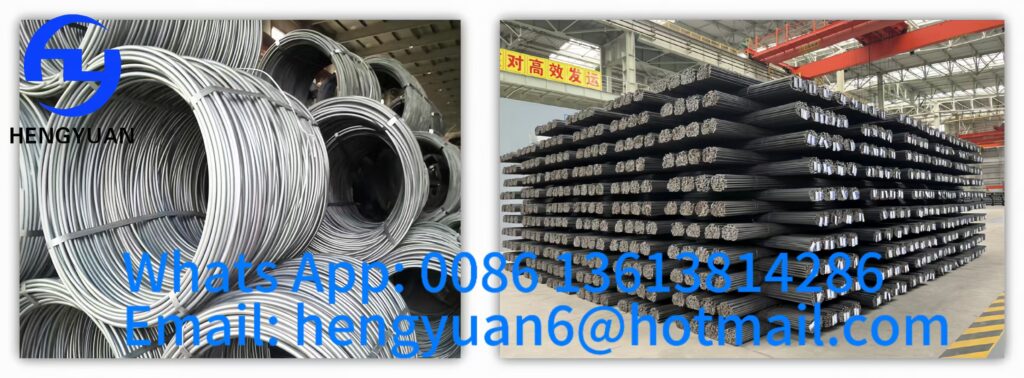
- Outstanding Mechanical Properties with Sufficient Safety Margin: Boasting a yield strength of ≥650MPa and tensile strength of ≥825MPa, it far exceeds the mechanical indicators of ordinary steel bars. Meanwhile, it features excellent ductility with an elongation after fracture of ≥14% and a strength-to-yield ratio of ≥1.25. Under seismic action, such steel bars can absorb energy through their own plastic deformation, effectively delaying the brittle failure of structures. Even under extreme loads such as typhoons and heavy-load impacts, they can maintain structural integrity, providing ample performance reserves for building safety.
- Significant Cost Reduction and Efficiency Improvement, Adapting to Engineering Needs: Under the same structural safety factor, 650MPa grade steel bars allow optimizing the reinforcement design by “reducing diameter and quantity.” Taking a 30-story super high-rise residential building as an example, the traditional scheme using HRB400 steel bars requires main reinforcement with a diameter of 25mm, while replacing it with 650MPa grade steel bars only needs main reinforcement with a diameter of 20mm to meet the stress requirements. The steel consumption of a single building is reduced by about 30%, which not only lowers the procurement cost of steel but also reduces the on-site binding man-hours and the frequency of hoisting and transportation. The comprehensive engineering cost can be reduced by more than 13%, and more usable space is reserved inside the building.
- Green Environmental Value, Aligning with Low-Carbon Strategies: From a full-life-cycle perspective, every 100,000 tons of 650MPa grade steel bars used can replace approximately 30,000 tons of HRB400E ordinary steel bars, corresponding to a reduction of about 50,000 tons of carbon dioxide emissions and 3,000 tons of standard coal consumption. At the same time, the reduced steel consumption can indirectly lower resource consumption from mining and waste gas/wastewater emissions from smelting. For projects pursuing “green building” certification, the application of such materials can directly improve the low-carbon score of the project, aligning with the global construction industry’s “carbon neutrality” strategy.
Rigorous Production and Technological Innovation
The high performance of 650MPa grade steel bars is no accident but is built on full-process precision process control and technological innovation:
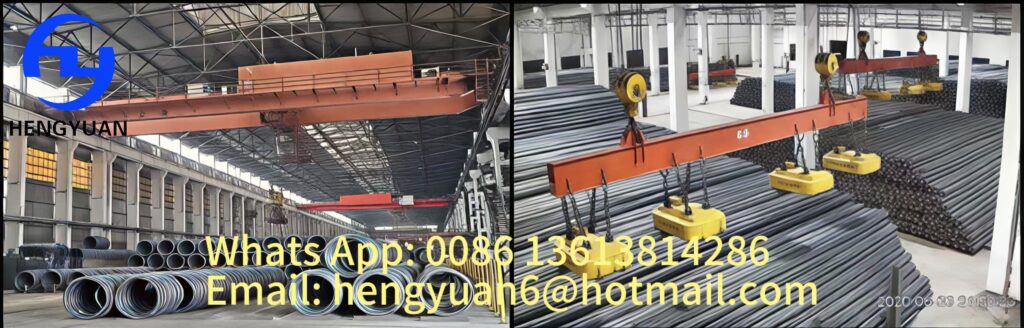
- High-Purity Steelmaking Technology, Ensuring Material Foundation: The production process adopts a full-process clean steel technology of “precise converter endpoint control + ladle furnace refining + protective casting.” In the converter smelting stage, the endpoint carbon content is accurately controlled between 0.08% and 0.12% through an automatic control system to avoid excessive subsequent refining. During ladle furnace refining, harmful impurities such as sulfur and phosphorus in the molten steel are removed through argon stirring and alkaline slag washing technology, resulting in sulfur content ≤0.015% and phosphorus content ≤0.025%. Finally, air is isolated through protective casting technology, controlling the oxygen content in the molten steel below 20ppm, ensuring the purity and composition uniformity of the billet from the source.
- Microalloying Innovation, Balancing Strength and Toughness: Abandoning the traditional scheme of a single microalloying element, the Nb (niobium) + V (vanadium) composite microalloying technology is adopted. The carbonitrides formed by Nb during heating can effectively refine austenite grains, thereby improving the strength and toughness of the steel. V precipitates fine carbides after rolling, further enhancing the precipitation strengthening effect. Under the synergistic effect of the two, not only is the optimal balance of strength and toughness of the steel bar achieved, but the vanadium dosage is also reduced by about 30%, lowering smelting costs and process difficulty, while reducing the consumption of rare metal resources.
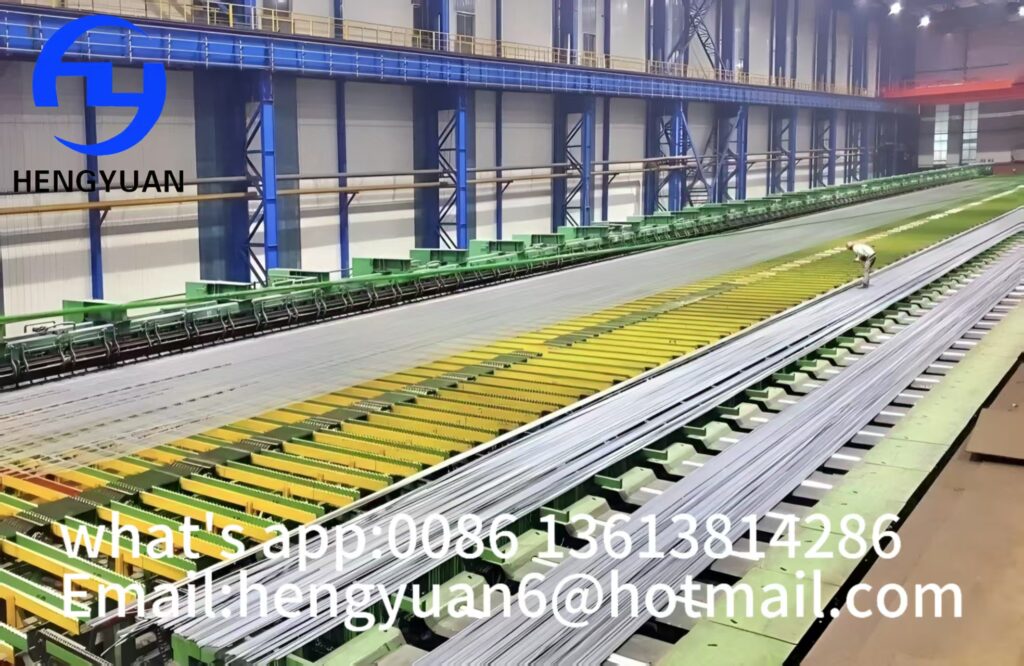
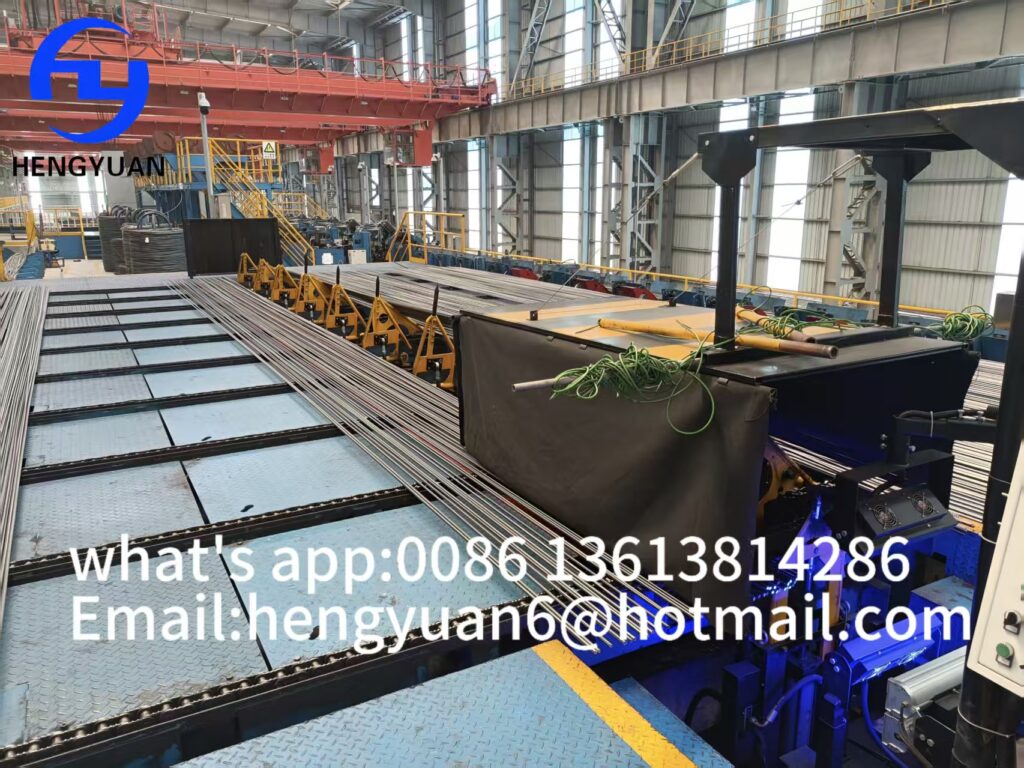
- Controlled Rolling and Cooling Process, Optimizing Microstructure: The rolling process adopts a controlled rolling and cooling technology of “three-stage heating system + dynamic water distribution cooling.” The heating furnace precisely controls the billet temperature through the preheating section (950℃), heating section (1150℃), and soaking section (1220℃) to ensure the full solid solution of microalloying elements. During rolling, the grain size is refined through multi-pass deformation of rough rolling, intermediate rolling, and finish rolling. After rolling, the cooling rate is dynamically adjusted in real-time according to the steel bar diameter and temperature through the dynamic water distribution system of the cooling bed, stabilizing it between 1.1-1.7℃/s. Finally, an optimized microstructure of “fine ferrite (grain size ≤10μm) + pearlite” is formed, maximizing the mechanical properties of the material.
Proven Engineering Reliability
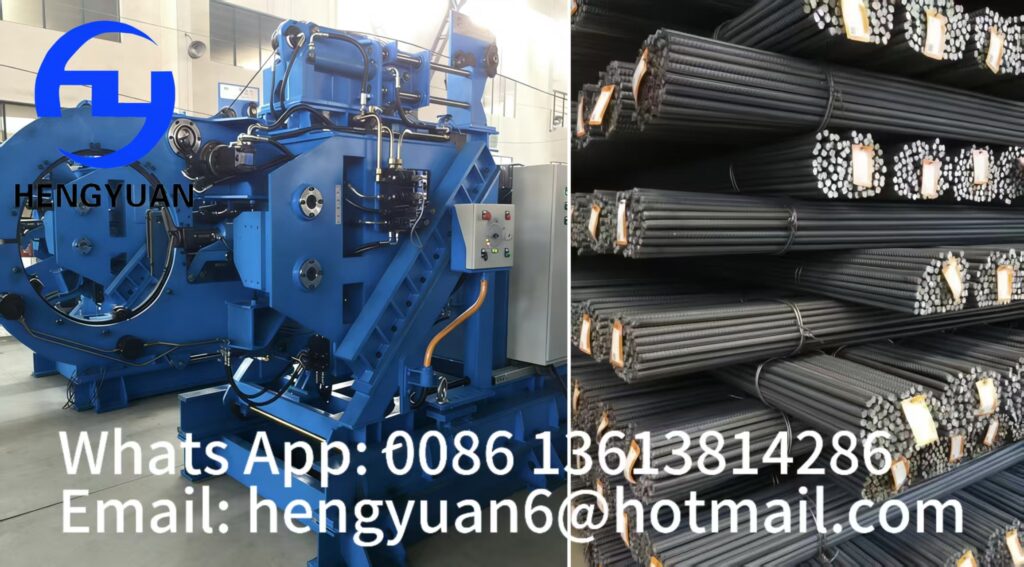
The practical adaptability of 650MPa grade steel bars has been fully verified through multiple rounds of laboratory tests and engineering pilots:
- Stable Performance of Full Specifications Meeting Standards: Systematic tests on mechanical properties, seismic performance, and fatigue performance have been carried out for products covering the full diameter range of 6mm-32mm. The yield strength and tensile strength of all specifications exceed the lower limit of national standard requirements by more than 10%, the strength-to-yield ratio is stably ≥1.25, and the elongation after fracture is not less than 14%. In the seismic performance test, the total elongation at maximum force is ≥7%, meeting the design requirements of high seismic grades. In the fatigue performance test, no cracks or other damages occurred after 2 million cycles of load, and the quality fluctuation is controlled within a very small range.
- Structural Performance Adapting to Diverse Scenarios: In comparative tests of concrete components, 650MPa grade steel bars have shown excellent structural adaptability. Taking the main beam of a long-span bridge as an example, after adopting this steel bar, the bending bearing capacity of the beam body is increased by 45.82% compared with HRB400 steel bars, which can better withstand the dynamic load impact of vehicles. In the test of supporting piles for underground foundation pits, its shear bearing capacity is increased by 6.7%, which can effectively resist the lateral pressure of soil. Even in low-temperature environments (-20℃), its impact toughness remains above 100J, adapting to the engineering needs of cold regions.
- Wide Application Covering Mainstream Fields: At present, this product has been pilot-applied in many large-scale projects, including a 45-story super high-rise residential building in East China (using 22mm diameter 650MPa steel bars to optimize reinforcement), the pier structure of a cross-river bridge in South China (using 32mm diameter 650MPa steel bars to enhance vertical bearing capacity), and the roof truss of a stadium in North China (using 16mm diameter 650MPa steel bars to reduce self-weight). In actual construction, the bond anchorage performance and on-site welding performance of this steel bar with concrete all meet the requirements of the “Code for Design of Concrete Structures,” adapting to various mainstream construction scenarios.
Future Development Direction
With the continuous improvement of the construction industry’s requirements for material performance, high-strength steel bars are evolving towards “higher strength, more functions, and better environmental protection”:
- Higher Strength Upgrade: The research and development of 700MPa grade ultra-high-strength steel bars has been launched. By optimizing the microalloy formula (introducing Ti element for synergistic strengthening) and controlled rolling and cooling process (adopting ultra-fast cooling technology), the strength limit is further broken through. It is expected that the yield strength can reach above 700MPa, adapting to the needs of future super projects such as super high-rise buildings above 60 floors and kilometer-level long-span bridges.
- Functional Expansion: Layout of segmented products such as weldable, low-temperature resistant, and corrosion-resistant types. For on-site welding needs, the hardness of the heat-affected zone is reduced by adjusting the alloy composition to avoid welding cracks. For engineering in cold regions, the low-temperature impact toughness is improved by adding Ni element. For marine environment engineering, the corrosion resistance is enhanced by adding Cr and Mo elements to meet the differentiated needs of diverse scenarios.
- Deepened Greenization: Explore the production mode of “short-process smelting + recycled steel utilization.” Adopting the electric arc furnace short-process instead of the traditional converter long-process can reduce carbon emissions by about 60%. At the same time, increase the proportion of recycled steel (targeting more than 30%) to further reduce resource consumption. In addition, the research and development of recyclable high-strength steel bars is underway, and the recycling of steel bars is realized through optimized composition design, improving the full-life-cycle environmental value of materials.
For construction enterprises, engineers, and material suppliers committed to improving project quality, controlling construction costs, and practicing sustainable development, 650MPa grade ultra-high-strength seismic steel bars are not only a material upgrade but also a strategic choice to enhance project competitiveness and align with industry trends. From the safety redundancy of super high-rises, the low-carbon indicators of green projects, to the cost optimization of long-span engineering, such materials are redefining the material standards of modern construction. Embracing this innovative solution will help us jointly build safer, more efficient, and greener future buildings.